
Colin Stoodley
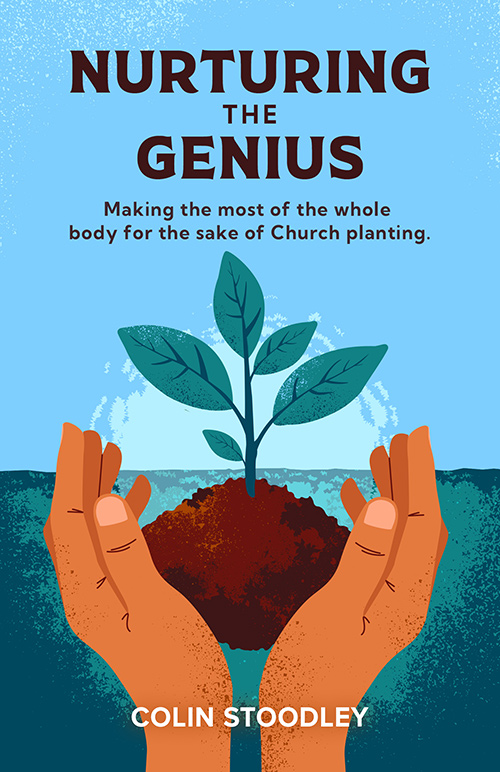
What helps a new church become a community that can start other churches? For Brisbane author and church planting coach Colin Stoodley, the answer begins with how a congregation forms and sends its people. Speaking with Matt Bird on the PublishU podcast, Stoodley shared the argument behind his second book, Nurturing the Genius. Drawing on nearly 48 years in ministry and doctoral research into church planting in Australia, he makes a case for putting discipleship at the centre of church multiplication.
Stoodley has planted churches, trained and coached church planters, and advised denominations. His research led him to question a familiar assumption about starting a church: that the outcome depends chiefly on the person leading it. He began to see another source of momentum in people whose commitment to following Jesus gave them the desire to serve and the confidence to act.
In his first book, The Genius in the Kingdom, Stoodley identifies those disciples as the driving force behind church multiplication. He describes multiplication as a process in which one church gives rise to another, and that church, in turn, helps start others. Nurturing the Genius takes up the practical question that follows. How can a church help people develop the faith, character, and habits that prepare them to serve?
Stoodley looks to Ephesians 4 for a model of church leadership. He sees apostles, prophets, evangelists, shepherds, and teachers as people whose gifts can strengthen one another. Together, they help a congregation develop two aspects of discipleship that he calls formation and “sentness.”
Formation includes learning to pray, speak about Jesus, practise generosity and kindness, and care for people experiencing poverty. Sentness gives those habits a place to take root in everyday life. Stoodley sees a risk when churches emphasise formation without creating opportunities to serve. He sees a corresponding risk when people are sent out without the preparation and support they need. In his view, churches do both well when leaders value one another’s gifts and give disciples a clear sense of what their formation is for.
That emphasis also shapes the way he talks about leadership. A teacher can help people understand what they believe, a shepherd can care for them as they grow, and an evangelist can encourage them to share their faith. Stoodley wants churches to see how those gifts contribute to the same work and how disciples benefit when leaders exercise them together.
When Bird asked what being sent looks like, Stoodley described a range of possibilities. One person might serve overseas as a missionary. Another might serve a neighbour, work alongside people experiencing poverty, or live out their faith at work or at university. Each setting offers a way to respond to what a person believes God is asking them to do.
That understanding of mission gives church members a reason to pay closer attention to the places they already know. A workplace, a campus, or the house next door can become a setting for the same generosity, care, and willingness to talk about faith that a congregation seeks to cultivate. For Stoodley, the opportunity to serve belongs to every disciple.
Stoodley recalls presenting on discipleship at a large inner-city church, where people told him they had done the course more than 40 years earlier. The exchange illustrates how easily discipleship can become something a congregation considers finished. He suggests that churches explain from the outset how what people learn will prepare them to serve.
He also recommends gathering people into peer groups where they can learn from and encourage one another. A small group can connect teaching to the situations members face during the week. Someone thinking about how to care for a neighbour or express their faith at work can talk it through with others who are asking similar questions. The group gives people a place to learn together as they put what they are learning into practice.
Stoodley hopes Nurturing the Genius will lead to better conversations among church planters in Australia, renewed attention to how the Ephesians 4 gifts work together, and greater involvement from people who have stayed on the sidelines. Those hopes reflect his own path to authorship. He pursued doctoral research to pass on what he had learned in ministry, and an examiner’s encouragement helped him see that his research could become a book.
He is now working on a third book, Securing the Genius. For that project, he hopes to follow new churches over two years and learn how they keep discipleship central as demands such as pastoral care grow. That question brings the conversation back to the choices church leaders make every week. For congregations exploring church planting, Stoodley’s invitation is to look closely at how they are preparing people to follow Jesus and where those people might already have an opportunity to serve.
Listen to Colin Stoodley's interview on the PublishU Podcast to discover more about Nurturing the Genius, and how Ephesians 4 leadership equips disciples for everyday mission and supports church planting in Australia.
For aspiring authors interested in bringing their own stories to life, visit www.PublishU.com to learn more about the publishing journey.
Buy your copy...

Buy your copy...