
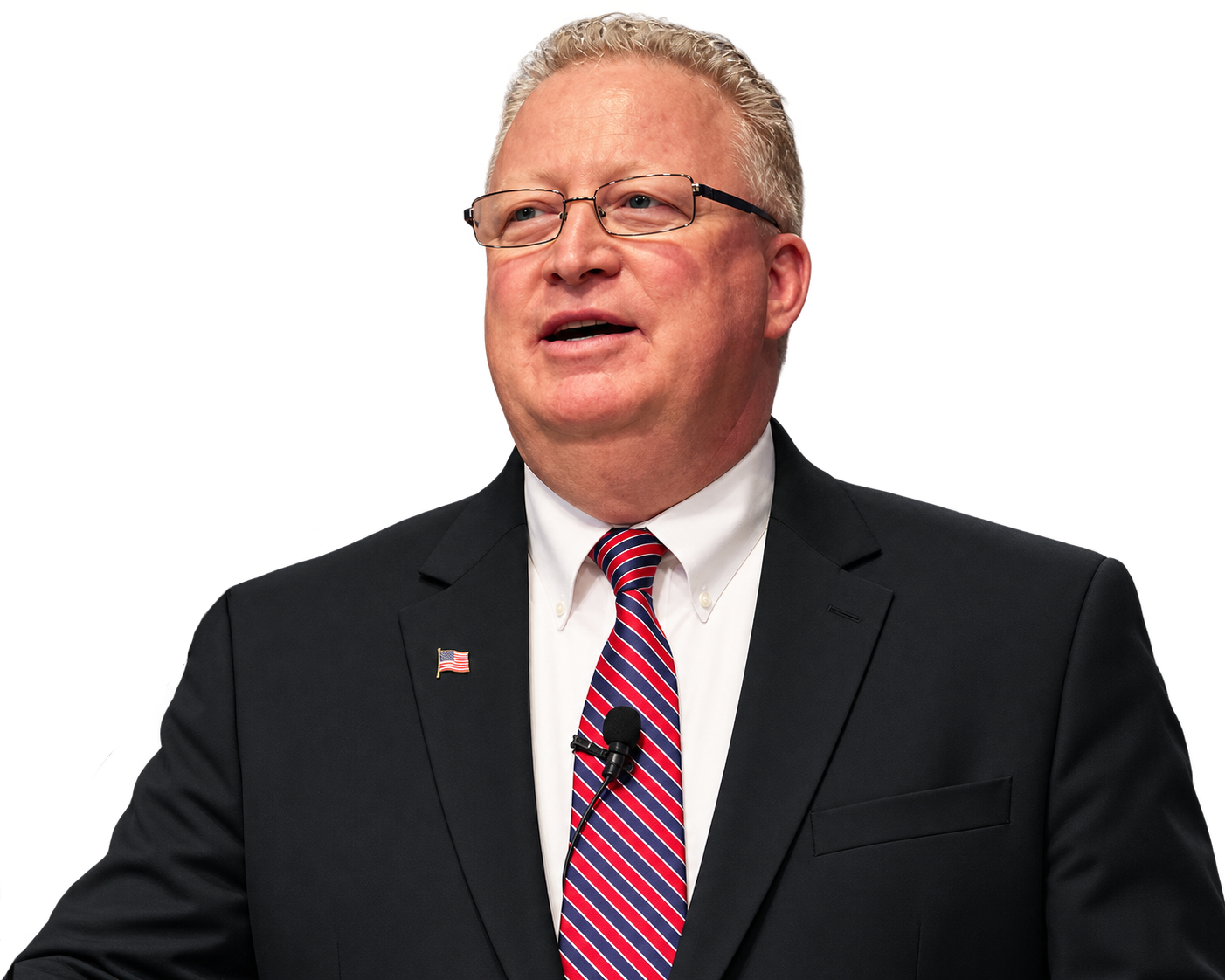
Brian Newman
In a world increasingly marked by conflict, division and disagreement, it can be easy to feel powerless. International wars dominate the headlines. Political arguments divide communities. Families experience tension. Friendships break down. Social media often rewards outrage rather than understanding.
When we think about peacemaking, we may imagine extraordinary historical figures such as Mahatma Gandhi or Desmond Tutu. We might assume that bringing peace into the world is the responsibility of politicians, diplomats, religious leaders or internationally recognised activists.
But what if peacemaking begins much closer to home?
That is the central message behind Everyday Peacemaking: Bring Shalom to Your Corner of the World by Brian Newman. The book explores the idea that ordinary people can make a meaningful difference by becoming peacemakers in their own families, workplaces, communities and relationships.
Everyday peacemaking is not necessarily about solving international conflicts or changing the entire world overnight.
It begins with the smaller spaces we inhabit every day.
It can mean bringing greater understanding into a difficult family relationship. It can mean listening to someone whose experiences are very different from our own. It can mean approaching disagreement with curiosity instead of immediately preparing an argument.
Brian Newman believes that every person has a role to play in bringing shalom—a deeper sense of peace, wholeness and right relationship—to their own corner of the world.
This approach to peacemaking recognises something important: meaningful change often begins with small encounters.
The way we speak to people matters. The way we listen matters. The assumptions we make about others matter. And when these everyday interactions change, communities can change too.
One of the most important principles of everyday peacemaking is learning to become genuinely curious about other people.
We often encounter someone who holds a different opinion, comes from another culture or has a worldview we do not share—and immediately begin thinking about how we will respond.
Instead of listening, we prepare our counterargument.
Instead of seeking understanding, we focus on being understood.
But curiosity changes the conversation.
Imagine asking someone: Tell me about your world. Tell me about your life. Tell me what has shaped the way you see things.
For many people, being genuinely listened to creates a powerful sense of dignity and respect.
This does not mean that we have to agree with everything another person believes. Respect and agreement are not the same thing.
You can listen carefully to someone without abandoning your own convictions. You can seek to understand another person's experiences without accepting every conclusion they have reached.
In fact, genuine dialogue becomes more meaningful when people are able to recognise their differences honestly while still treating one another with dignity.
One of the greatest challenges in modern life is simply learning to listen.
We live in a culture of constant communication. Notifications interrupt our attention. Social media encourages instant reactions. Conversations can quickly become competitions in which everyone wants to make their point.
But good listening requires something increasingly rare: a willingness to pause.
A meaningful conversation does not always need an immediate response.
Sometimes the most respectful thing we can do is allow a moment of silence.
To think.
To process.
To consider what another person has actually said.
When we listen carefully, we communicate that another person's experiences matter. We demonstrate that they are worthy of being heard, even when we disagree.
This principle can transform relationships at home, in the workplace and within communities.
It is easy to become overwhelmed by the problems of the world.
But we do not need to solve everything.
We can begin where we are.
Perhaps your corner of the world is your family. Perhaps it is your workplace. Perhaps it is your neighbourhood, church, school or community organisation.
Every person has relationships where greater patience, understanding and respect could make a difference.
Being an everyday peacemaker might involve asking more questions before making assumptions. It might mean listening before responding. It might mean approaching someone from a different background with genuine curiosity.
It might also mean recognising that peace does not always require complete agreement.
Real peacemaking acknowledges that differences exist. People come from different cultures, religious traditions and life experiences. They will not always see the world in the same way.
The goal is not necessarily to erase those differences.
The goal is to learn how to engage one another with dignity and mutual respect.
We often underestimate the impact of small interactions.
A respectful conversation may not make international headlines. Listening carefully to a neighbour may not seem revolutionary. Treating someone with dignity during a disagreement may appear insignificant.
But these moments matter.
Communities are built through relationships. Relationships are shaped through conversations. And conversations are transformed when people feel genuinely heard and respected.
This is where everyday peacemaking begins.
You do not have to be famous. You do not need a political platform. You do not need to become an internationally recognised peace activist.
You simply need to consider how you can bring greater understanding, respect and shalom into the part of the world where you already live.
Everyday Peacemaking: Bring Shalom to Your Corner of the World offers an invitation to rethink what it means to be a peacemaker.
Peace is not only something negotiated by world leaders.
It is something practised in ordinary conversations.
It begins when we become more curious. When we listen more carefully. When we stop treating disagreement as a reason to dehumanise another person.
The world may feel divided, but every one of us has a corner of it.
And perhaps the most powerful question we can ask is this:
What would happen if we each became peacemakers right where we are?
Connect with Matt on Instagram 👉🏼 CLICK HERE or LinkedIn 👉🏼 CLICK HERE

Buy your copy...