
Martin Lee
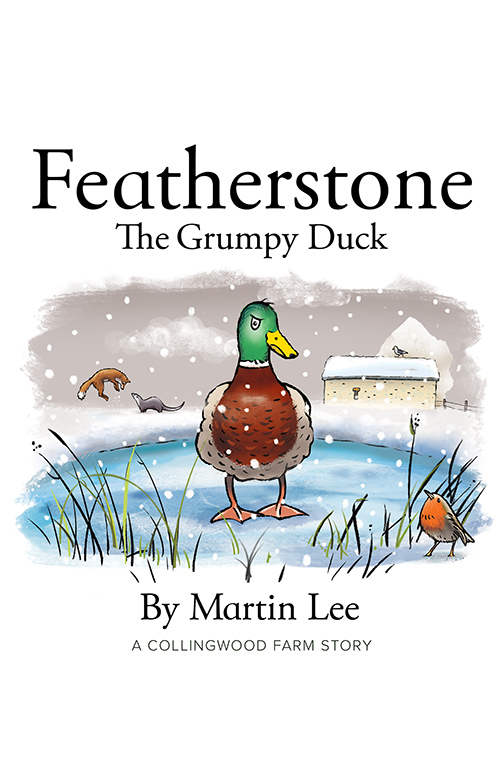
A frozen pond, chilly feet and a series of confusing conversations are enough to put any duck in a bad mood. In Featherstone, The Grumpy Duck, children’s author Martin Lee turns these everyday frustrations into an illustrated farmyard adventure about language and understanding. Speaking with Matt Bird on the PublishU podcast, Martin shares the inspiration behind his fourth Collingswood Farm book, explaining how a winter story can help young readers think about communication, friendship and the reasons behind someone else’s grumpiness.
A Winter Adventure at Collingswood Farm
The Collingswood Farm series follows a seasonal pattern, beginning in spring and progressing through summer and autumn before arriving at winter. Martin explains that, after writing his first story, a set of four books felt like a natural direction. Each season offered a different setting for the animals and their adventures.
In Featherstone, The Grumpy Duck, snow covers the farm and ice has sealed the pond. Featherstone heads out for his usual swim, only to discover that he cannot wash his feathers or enjoy the water. His feet are cold, his routine is disrupted, and his already grumpy mood grows worse.
The arrival of his friends should help. Instead, their attempts to talk to him create fresh misunderstandings.
Helping Children Understand Idioms
Much of the humour comes from Featherstone’s literal interpretation of familiar English expressions. When another animal suggests he has a chip on his shoulder, he cannot understand what they mean. He has no such thing on his shoulder, so why would anyone say that?
Other expressions, including cold feet and break the ice, add to the confusion. These phrases have meanings beyond the words themselves, but Featherstone is concerned with an actual frozen pond and genuinely chilly feet.
The misunderstanding works both ways. While Featherstone struggles with his friends’ idioms, they assume that his straightforward descriptions have hidden meanings. Nobody quite understands what the other is trying to say.
For parents and teachers, this gives the story a useful educational dimension. Children can enjoy the comedy while exploring how language works. Martin also describes an illustration near the back of the book that highlights the idioms used throughout the story, offering an opportunity for further discussion.
A Gentle Conversation About Different Perspectives
Beneath the farmyard humour is a thoughtful invitation to consider how differently people can experience a conversation. Matt connects Featherstone’s literal understanding of language with his own experience of neurodiversity, prompting Martin to discuss the story’s additional layers.
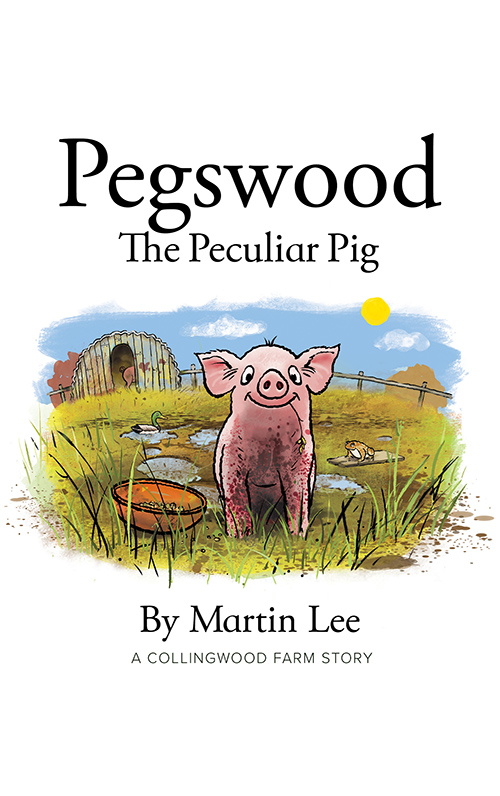
Martin previously explored sensory overload through Pegsworth the pig in the third book. With Featherstone, the emphasis shifts towards literal interpretation and the frustration of being misunderstood. He does not present the duck as representing every neurodivergent person; the focus remains on this character’s particular experience.
That distinction leaves room for a broader lesson in empathy. When someone seems difficult or irritable, it can help to ask what they are experiencing and whether communication has broken down.
Martin reveals that one animal recognises Featherstone’s discomfort and helps him. Without giving away the ending, he reassures listeners that the story concludes happily.
Reading the book aloud could open a conversation about a time when a child misunderstood an expression or felt frustrated because nobody understood them. Asking what Featherstone needs encourages readers to look beyond his mood. The frozen pond provides a memorable starting point for talking about the difference between what someone says and what listeners hear.
Children’s Stories Rooted in North East England
Martin’s books also celebrate his connection to North East England. The characters’ names draw on local villages, giving readers familiar with the region another reason to enjoy the stories.
He describes enthusiastic feedback from independent bookshops, cafés and schools. Children enjoy the animals whether or not they recognise the place names, while teachers appreciate opportunities to explore language. Across the books, these include homophones as well as idioms.
The stories have also found support in the hospitals where Martin works, with a portion of profits supporting hospital charities. His writing connects several parts of his life, bringing local identity, children’s reading and charitable support together.
Balancing Medicine and Children’s Writing
Alongside writing, Martin works as a doctor and has family responsibilities. He speaks openly about the time involved in getting books into readers’ hands. School visits, library readings, book signings and deliveries to shops all require attention beyond the writing itself.
He describes keeping Fridays available for book activities with support from his workplace. Looking ahead, he is considering further animal stories inspired by Northumberland, including its forests and the Farne Islands.
For now, Featherstone, The Grumpy Duck completes the planned four seasons at Collingswood Farm. For families seeking children’s books about feelings, friendship and language, Martin’s winter tale offers plenty to enjoy and discuss together.
Buy your copy...
Buy your copy...

Buy your copy...

Buy your copy...