

Dr Sam Barry
Conflict is an unavoidable part of life. Whether in families, friendships, workplaces, or communities, disagreements inevitably arise. Yet, the way we handle those moments of tension can determine the strength and health of our relationships. Sam Barry, a pastor from Ontario, Canada, and author of Fighting Well, has dedicated his work to helping people approach conflict not with hostility, but with compassion, clarity, and understanding.
In a recent conversation on the PublishU Podcast, Barry shared his insights into why conflict resolution is such an important skill, how his experiences shaped his book, and the practical steps people can take to “fight well.” His story is a reminder that disagreements don’t have to divide us—they can actually deepen our connections when handled with care.
Sam Barry has spent years working as a pastor in Ontario, supporting individuals and families through some of life’s most challenging moments. In his pastoral role, he often found himself mediating conflict—whether between spouses, among church members, or even within his own family. Over time, he began to notice patterns: many people struggled not because conflict existed, but because they lacked the tools to navigate it constructively.
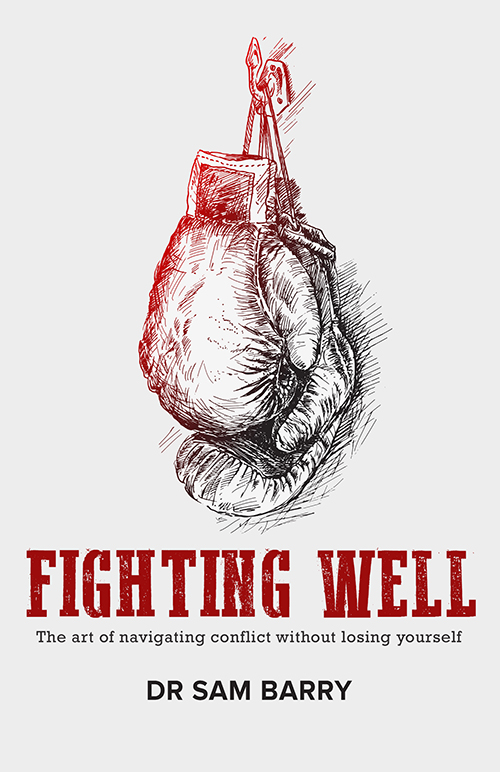
This observation inspired Barry to write Fighting Well. The book explores the dynamics of conflict and offers practical strategies for approaching disagreements in a way that builds relationships instead of breaking them. Barry explains that he wanted to create a resource that was both accessible and actionable—something that could help ordinary people shift from harmful patterns of fighting to healthier ones.
Conflict often carries a negative reputation. People think of arguments as destructive or associate conflict with anger, frustration, or broken relationships. Barry challenges this view. He emphasizes that conflict is not inherently bad. In fact, it is a natural part of any healthy relationship because it reflects diversity in perspectives, values, and emotions.
What makes conflict damaging is not its existence but how it is handled. When approached poorly, disagreements can escalate, leading to resentment and division. When handled well, however, conflict can spark growth, deepen empathy, and strengthen bonds.
This perspective is at the heart of Barry’s work. Fighting Well is not about avoiding conflict but about engaging with it in a healthier way.
Barry outlines several key principles that guide his approach to conflict resolution. These include:
What makes Fighting Well particularly compelling is that it is rooted in real-life experiences. Barry does not write as a distant academic but as someone who has walked alongside people in conflict and wrestled with it himself. His pastoral background gives him a unique lens, blending spiritual insight with practical wisdom.
The book offers a mix of personal stories, biblical reflections, and actionable steps. This combination makes it accessible to both faith-based audiences and those simply seeking healthier communication strategies.
While Barry’s pastoral work shaped his perspective, the principles in Fighting Well apply far beyond the church. Workplaces, schools, and families all face conflict on a regular basis. Leaders, managers, teachers, and parents can all benefit from learning how to de-escalate tension and turn disagreements into opportunities for collaboration.
In a time when public discourse often feels polarized, the message of Fighting Well feels particularly timely. Barry’s framework equips people not just to manage conflict, but to do so with kindness and intentionality.
Part of what makes Barry’s approach resonate is its practicality. Conflict resolution can sometimes feel abstract or idealistic. But Barry grounds his advice in everyday realities: heated arguments between spouses, disagreements among friends, tensions at work. His book acknowledges the messy, emotional side of conflict while providing tools to handle those moments constructively.
Moreover, Barry speaks to a universal human desire: to feel seen, heard, and respected. At its core, Fighting Well is about creating space for that mutual recognition, even when perspectives differ.
Conflict is inevitable. Hurt, misunderstanding, and disagreement will always be part of human relationships. What matters most is how we choose to respond. Sam Barry’s Fighting Well offers a hopeful and practical path forward, reminding us that conflict, when handled with grace, can actually strengthen relationships.
For anyone seeking to improve communication, build stronger connections, or navigate the challenges of modern life, Barry’s message is clear: fighting well is not just possible—it’s essential.
Buy your copy...