

Addy O
Separation and divorce can create an environment where even ordinary communication becomes emotionally charged. An email, text message, social media post or casual conversation can take on a significance far beyond what was originally intended. For anyone navigating a difficult separation, learning how to communicate without escalating conflict can become one of the most important skills they develop.
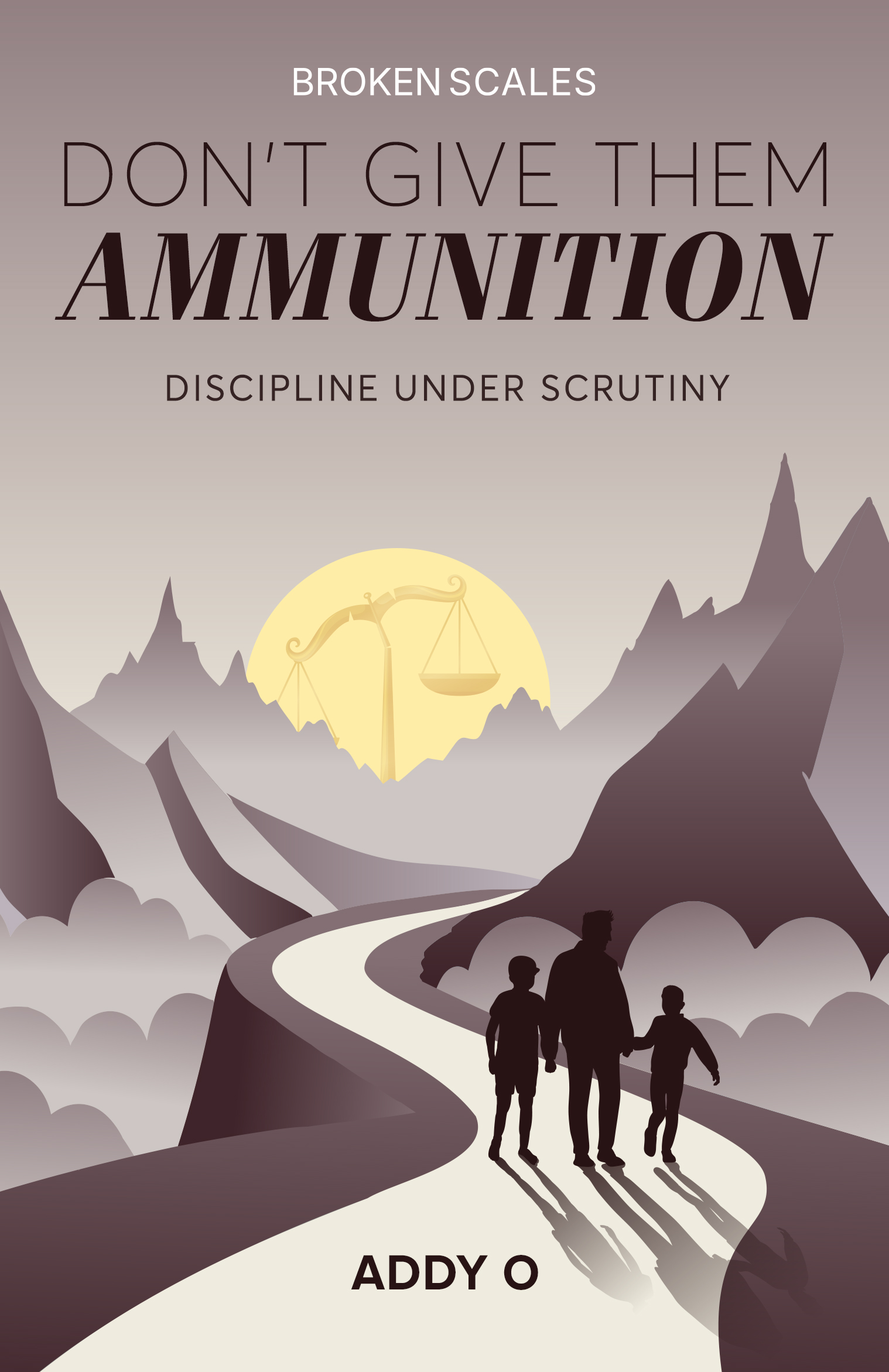
This is the central idea behind Addy O’s second book, Don’t Give Them Ammunition, which explores the behavioural side of separation and divorce through the lens of personal experience.
The title may sound confrontational, but the message behind it is actually about reducing conflict rather than winning it.
In the PublishU podcast, Addy explains that the second book in his series focuses on the environment surrounding a separation. While his first book concentrates more closely on the individual, Don’t Give Them Ammunition looks at behaviour and the ways people can unintentionally make a difficult situation worse.
The principle is simple: when emotions are already running high, don't add fuel to the fire.
That can mean being careful with angry emails, text messages, social media posts and conversations. It can also mean recognising that not every communication requires an immediate response.
One of the most practical ideas discussed in the podcast is the value of pausing before responding.
When people are under pressure, their thinking can become narrow. In a heated situation, it is easy to focus entirely on what you want to say rather than considering how your words might be received by someone who does not have the same context.
Addy recommends giving yourself time before responding to emotionally charged communication. In some circumstances, that may mean waiting 24 hours, reading the message again and removing the emotional elements before deciding whether a response is necessary.
Importantly, the advice isn't simply to delay every message. It is to pause, reflect and communicate deliberately.
Sometimes the most appropriate response may be no response at all.
A particularly useful test discussed during the podcast is to consider how you might feel about your message several years from now.
Would you still be comfortable with the words you used?
Would the message communicate what you intended without unnecessary anger, accusation or emotion?
Would you be comfortable reading it with the benefit of hindsight?
This approach can be valuable during high-conflict separation because written communication can outlast the emotions that produced it. What feels justified in the moment may look very different when read later and viewed without the original context.
Taking time before responding creates an opportunity to make the same point without unnecessarily escalating the situation.
High-conflict communication isn't limited to divorce or family disputes. The same principle can apply in workplaces, professional relationships and other situations where people are under pressure.
As Matt Bird and Addy discuss during the podcast, people can become accustomed to communicating in a particular style with someone they know well. When emotions become involved, however, that familiar pattern can lead to automatic reactions.
The important question becomes:
How will this communication be perceived by someone who doesn't know the full story?
That shift in perspective can make a significant difference.
Rather than trying to prove every point or explain every detail, the goal is to communicate clearly and appropriately while avoiding unnecessary escalation.
For Addy, restraint is not about ignoring problems or allowing difficult behaviour to continue unchecked. It is about controlling your own contribution to the conflict.
This distinction is important.
During a separation, you cannot control another person's reactions, communication style or decisions. You can, however, control your own words, timing and behaviour.
That is the underlying philosophy of Don’t Give Them Ammunition: don't make an already difficult environment worse through your own reactions.
If you're dealing with difficult communication during separation or divorce, a useful starting point is:
These aren't complicated techniques. Their difficulty lies in applying them consistently when emotions are high.
Don’t Give Them Ammunition grew from Addy O's own experience of separation and the lessons he took from navigating difficult circumstances. The book is part of a planned four-book series, with each book approaching the broader experience of separation through a different lens.
The second book focuses specifically on behaviour and the environment surrounding conflict, while later books explore areas including finance and children.
Ultimately, the message is straightforward: you don't have to win every argument to protect yourself from unnecessary conflict.
Sometimes the most powerful thing you can do is pause, think, communicate carefully and refuse to add more fuel to an already difficult situation.
Don’t Give Them Ammunition is available as part of Addy O's Broken Scales series.
This article is based on an interview with Matt Bird, founder of PublishU, helping first-time and serial non-fiction authors to write, publish and market books worldwide.
Connect with Matt on Instagram 👉🏼 CLICK HERE or LinkedIn 👉🏼 CLICK HERE
Buy your copy...

Buy your copy...