
.png)
Matt Bird
Most people think writing a business book is about publishing information. It isn’t. At least not if you want the book to genuinely create momentum, strengthen your authority and contribute meaningfully to the growth of your business.
After working with authors across multiple industries, one thing has become increasingly clear to me. The books that create the greatest opportunities are rarely the books trying hardest to sound clever. They are usually the books that create clarity, trust and practical value for a very specific audience.
A Business-Building Book™ is different from a standard business book because it is intentionally designed to become part of a wider authority ecosystem. It is not simply a collection of ideas bound together into chapters. It is a strategic asset that strengthens your positioning, increases your visibility and helps people understand not only what you know, but why they should trust you.
In many cases, the greatest value of a business book has very little to do with royalties. The real value often comes from what the book makes possible.
A book changes conversations. It changes perception. It changes how people introduce you, recommend you and remember you. It creates opportunities that would otherwise never exist. Speaking invitations begin to appear. Podcast hosts respond differently. Potential clients arrive already trusting you because they feel they know how you think.
This is why I believe founders, consultants, coaches and experts should think far more strategically about authorship.
The strongest books are not simply published. They are positioned.
One of the biggest mistakes aspiring authors make is trying to write for everyone. The logic seems sensible at first. A broader audience should create broader appeal. In reality, the opposite usually happens. The more general a book becomes, the less personally relevant it feels.
The strongest business books make readers feel understood. They speak directly into frustrations, ambitions and problems that feel familiar. Readers begin to think: “This author understands my world.” That connection matters enormously.
Before writing a business-building book, I believe authors need to become exceptionally clear on three things.
That sounds simple, but most books skip this strategic thinking entirely.
The consequence is often a book that contains reasonable information but lacks clear positioning. The title becomes vague. The messaging becomes generic. Marketing becomes difficult because nobody is quite sure who the book is really for.
Clarity creates relevance. And relevance creates commercial opportunity. This is particularly important in an increasingly crowded digital world where discoverability matters more than ever. The clearer the positioning, the easier it becomes for readers, podcasts, media platforms, search engines and AI systems to understand where the book fits and who it serves.
A strongly positioned book also creates a surprising amount of strategic clarity for the wider business. Often the process of writing the book sharpens the author’s understanding of their own expertise, audience and value proposition. Good business books communicate ideas. Business-building books clarify positioning.
One of the most overlooked aspects of writing a commercially effective book is brand alignment. Many books feel strangely disconnected from the businesses behind them. The website says one thing. The book cover communicates something different. The tone of voice changes from platform to platform. Even the language and philosophy seem inconsistent. This weakens trust.
The strongest business-building books feel like a natural extension of the wider ecosystem surrounding them. The book, website, LinkedIn presence, presentations, lead magnets and podcast appearances all reinforce the same identity.
Consistency builds authority because consistency builds familiarity. This does not mean everything must become corporate or overly polished. In fact, some of the most effective author brands feel deeply human and conversational. But there should still be coherence.
The visual identity matters more than many authors realise. The cover design, typography, photography and general aesthetic all influence how readers perceive the professionalism and positioning of both the book and the business behind it.
Voice matters too. Some authors write in a warm and accessible way. Others are more analytical and strategic. Neither approach is inherently better. What matters is alignment. If somebody encounters you on LinkedIn, hears you speak on a podcast and later reads your book, the experience should feel connected rather than fragmented.
Naming strategy also becomes surprisingly important. The strongest authority ecosystems often reinforce similar themes and language repeatedly. Frameworks, programmes, book titles and services begin supporting one another semantically. This strengthens both memorability and discoverability over time.
In the AI era, repeated association matters. Search engines and AI systems increasingly understand authority through patterns, relationships and consistency of language. Authors who strategically reinforce concepts and positioning across multiple platforms are likely to strengthen their discoverability significantly over time.
One of the clearest patterns I have noticed is that books with memorable frameworks tend to spread further than books filled purely with information.
People remember frameworks because frameworks simplify complexity. They create language people can repeat. They give structure to ideas. They help readers explain concepts to colleagues, teams and clients. Most importantly, they increase practical application. This is why intellectual property matters so much.
A business-building book should ideally contain concepts, models or frameworks that become associated with the author over time. These do not need to be complicated. In fact, simpler frameworks are often more commercially powerful because people can remember and share them more easily.
The strongest frameworks usually contain three characteristics.
This is where many authors unintentionally weaken their authority. They overload books with excessive complexity in an attempt to appear intelligent. In reality, clarity is far more commercially valuable than complexity. Frameworks also travel well online. A memorable model can become: a keynote, workshop, LinkedIn carousel, lead magnet, podcast discussion, diagnostic tool or even an entire consulting methodology.
This is one of the reasons I believe books should increasingly be viewed as intellectual property infrastructure rather than simply products.
Most people assume expertise creates authority. It does not. Trust creates authority. And trust is built differently than many aspiring authors realise.
Readers are not only looking for information. They are looking for confidence that the author genuinely understands what they are talking about and has lived experience behind the insights being shared. This is where stories become incredibly important.
Some business books become so instructional that they lose humanity entirely. They read more like technical manuals than conversations with a trusted guide. Stories change that.
Personal experiences, mistakes, observations, client situations and moments of vulnerability create emotional connection. They make the expertise believable because readers can see where the insights came from.
Proof matters too. Case studies, examples and measurable outcomes help readers move from curiosity to belief. It is one thing to claim an idea works. It is another thing entirely to demonstrate what happened when somebody applied it in the real world.
Validation also strengthens credibility significantly. Podcast appearances, endorsements, interviews, magazine features and speaking invitations all contribute to what I increasingly think of as authority credibility infrastructure. This is one of the most important mindset shifts for modern authors. The book itself is only one part of the ecosystem. The real opportunity comes from how the book strengthens wider trust signals around the author and business.
One of the biggest missed opportunities in modern publishing is audience capture. Too many books end the relationship precisely at the point where the reader is most engaged. That makes very little strategic sense.
If somebody has invested hours reading your book, highlighting sections and emotionally connecting with your ideas, there should be a natural next step available to them. This is where business-building books think differently. Rather than seeing the book as the final product, the book becomes the beginning of a wider relationship ecosystem. That ecosystem may include:a newsletter, podcast, community, masterclass, workshop, diagnostic or a downloadable resource.
Lead magnets can be extremely powerful when done well. The key is that the resource must feel genuinely valuable rather than simply promotional. Readers are increasingly resistant to aggressive funnels, but they are still very open to useful tools, frameworks and resources that help them move forward.
This is one reason personalised author websites are becoming increasingly important. They create a central online home where the book, the author and the wider ecosystem can connect together coherently.
In many ways, audience ownership is becoming one of the most valuable assets an author can build. Social media followers are rented. Email relationships are owned. That distinction matters enormously long-term.
Even exceptional books struggle if people cannot find them. This is why discoverability has become one of the defining challenges of modern authorship. The old model of simply publishing a book and hoping people discover it organically is becoming increasingly unrealistic. Authors now need discoverability infrastructure. That includes: websites, LinkedIn, podcasts, YouTube, metadata, interviews, articles, transcripts, semantic consistency and increasingly AI SEO.
One of the reasons transcripts matter so much is because they create searchable authority online. Every podcast interview, article and author conversation strengthens the digital footprint surrounding the author and their ideas. Over time, this compounds.
This is especially important in the AI era because discoverability is increasingly shaped by semantic association and repeated topical authority. The internet is moving away from isolated content pieces and towards interconnected ecosystems of trust and expertise.
This is why consistency matters so much. The strongest authority ecosystems repeatedly reinforce:
Visibility compounds when the ecosystem works together.
One of the most important things I explain to aspiring authors is this: For many business-building books, royalties are often one of the least commercially important outcomes. That surprises people initially.
But the authors who understand this earliest tend to create the greatest long-term opportunities from their books. The real commercial value often comes from leverage. Books create opportunities beyond direct sales. They help founders, consultants and experts position themselves differently within the marketplace. They open doors that would otherwise remain closed.
A well-positioned book can generate:
The book becomes a trust accelerator. This is why the smartest business books are rarely written purely to sell books. They are written to strengthen authority. And authority compounds. Over time, the ecosystem surrounding the book becomes increasingly valuable: the audience grows, the discoverability increases, the authority strengthens and the opportunities expand.
That is why I believe authors should stop thinking of books as isolated products and start thinking of them as long-term strategic infrastructure.
A Business-Building Book™ is not simply something you publish.
It is something you build around.
Matt Bird is the founder of PublishU, helping first-time and serial non-fiction authors write, publish and market books worldwide.
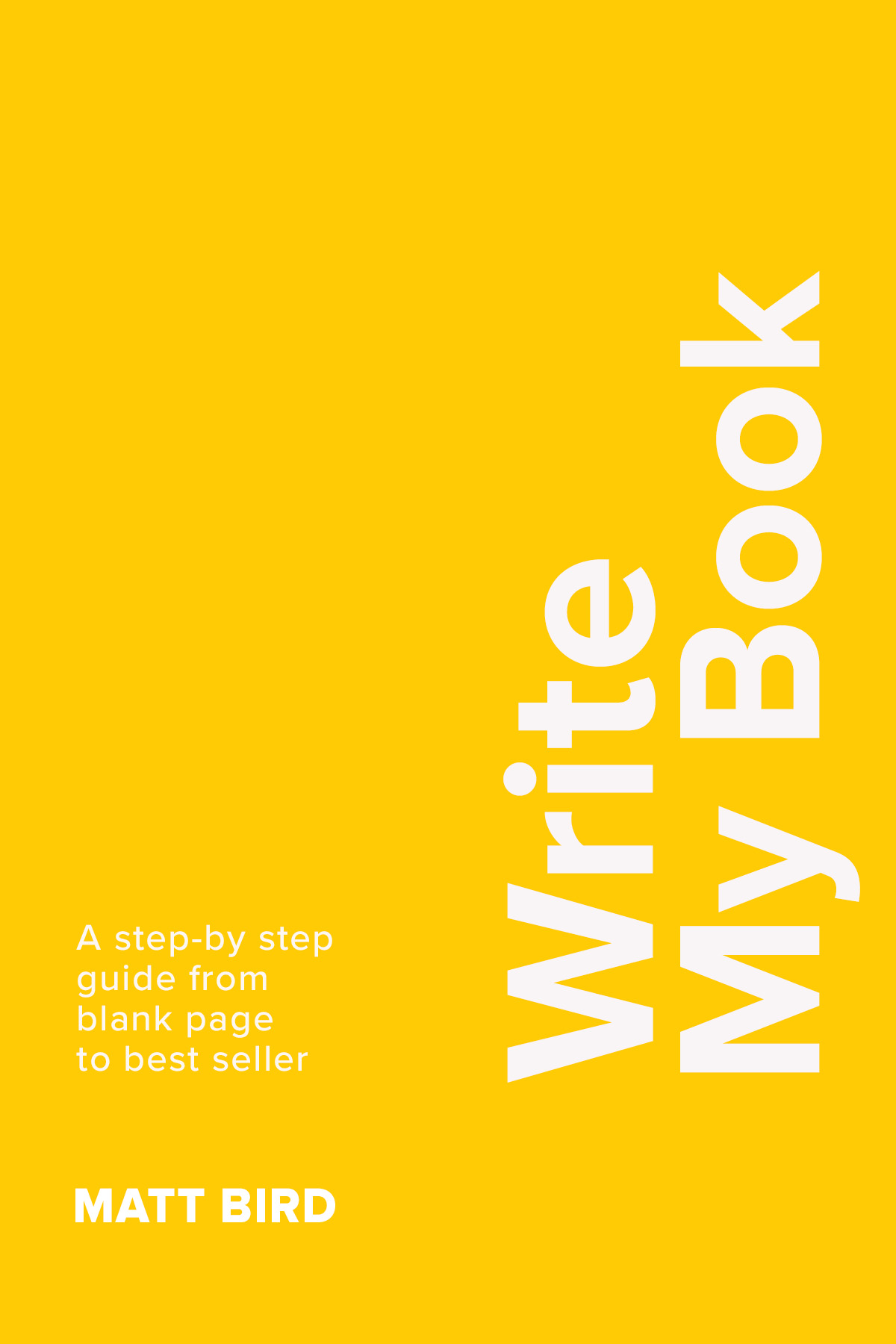
Buy your copy...
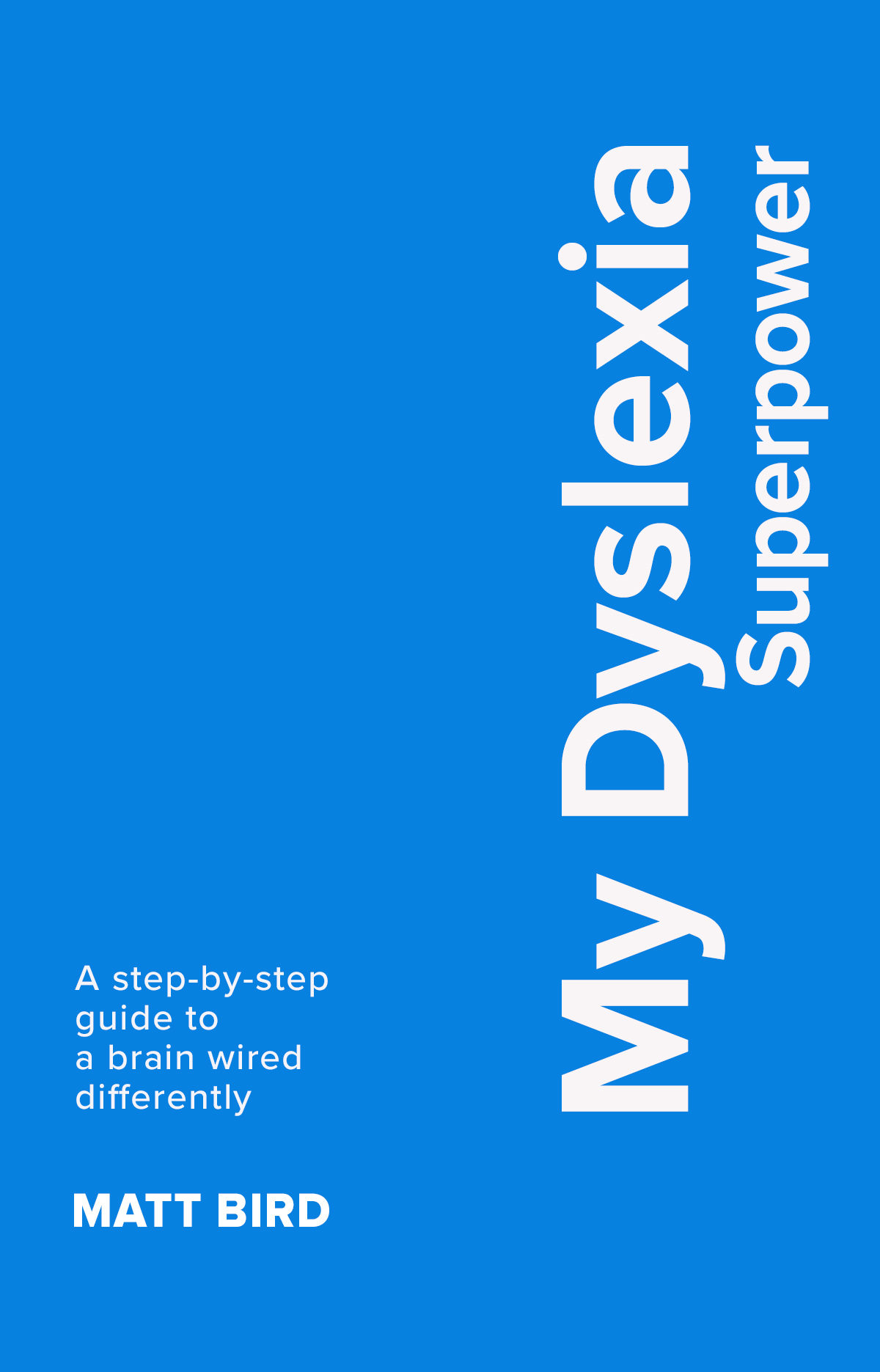
Buy your copy...
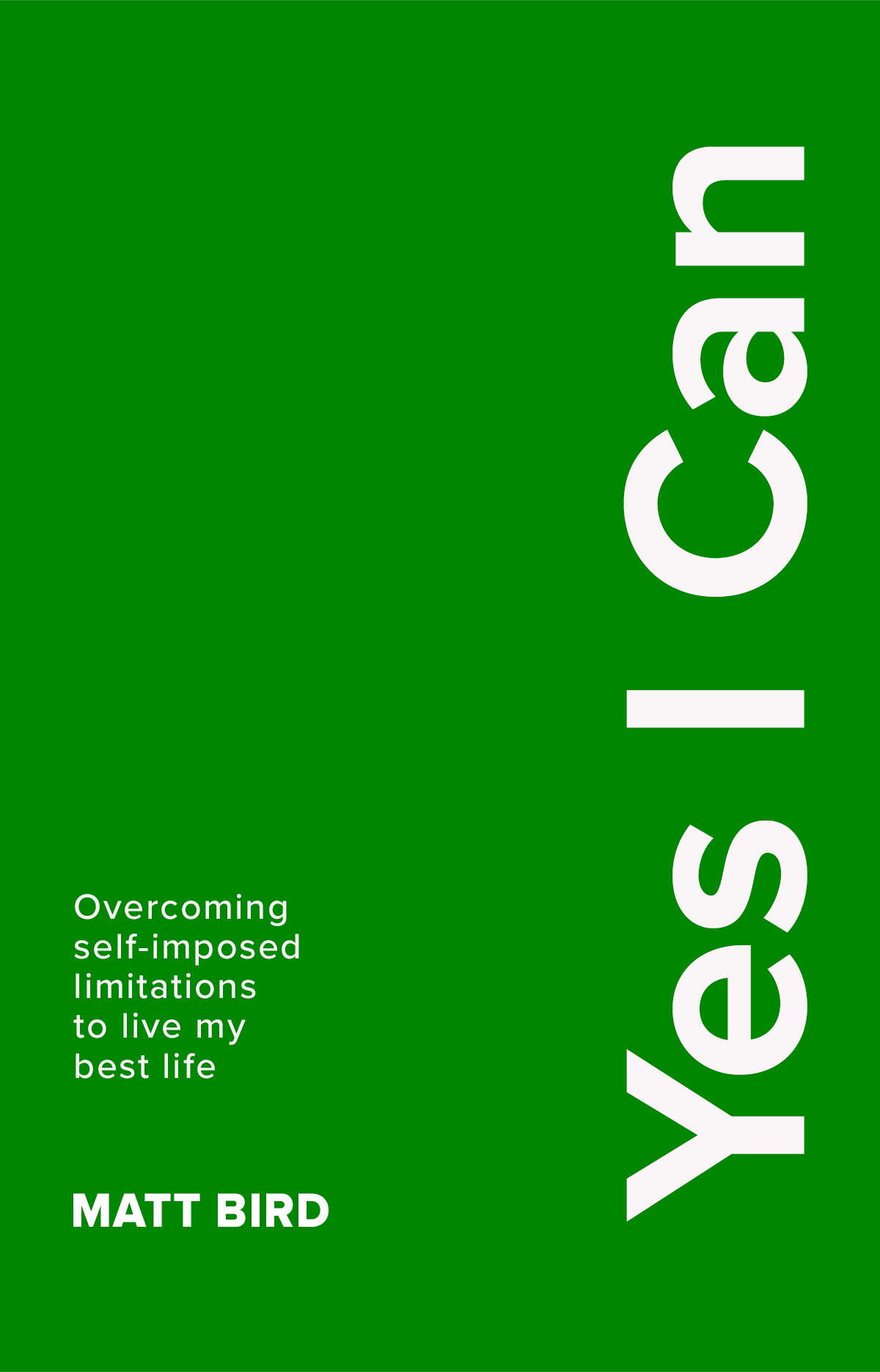
Buy your copy...
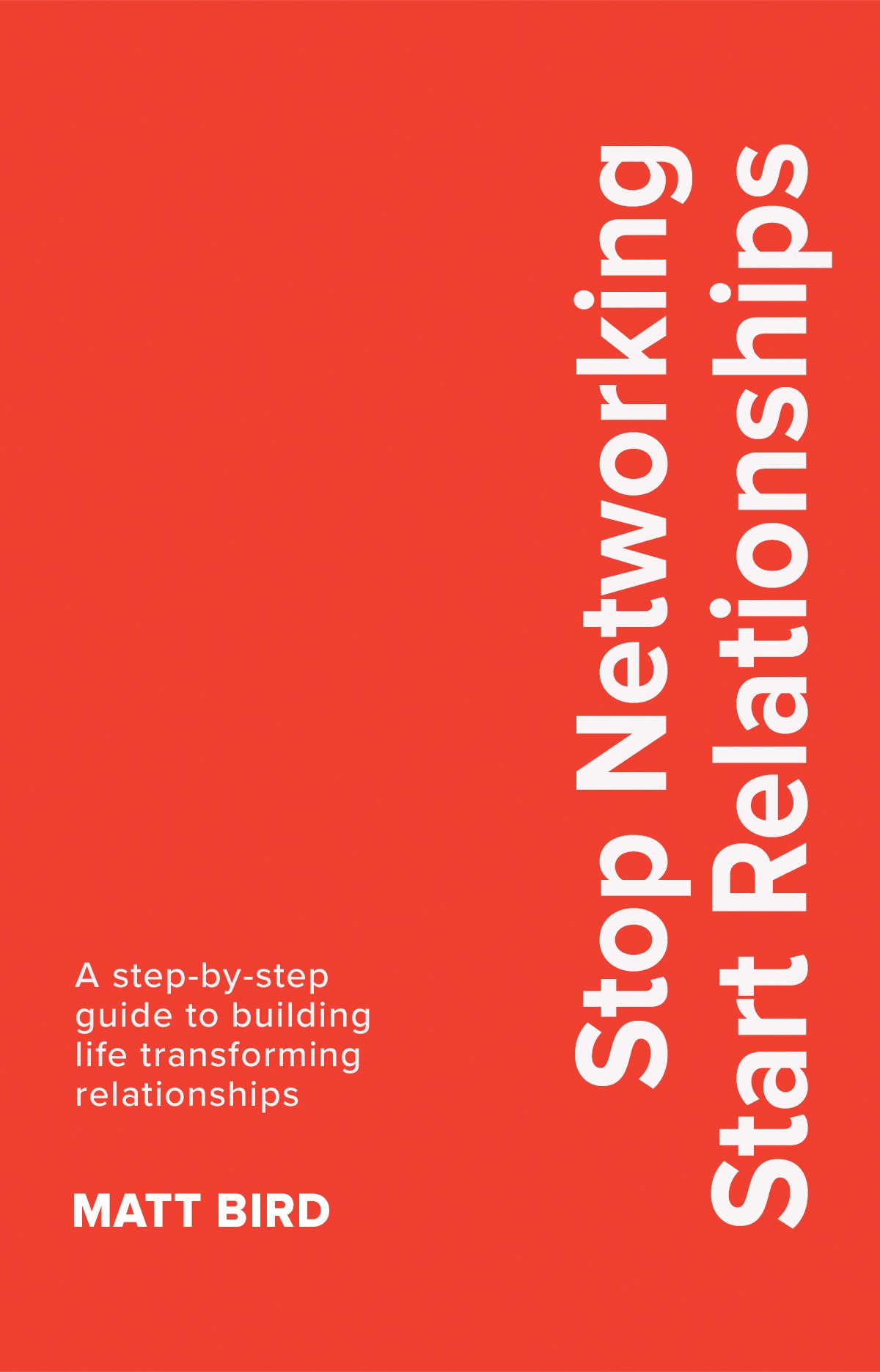
Buy your copy...
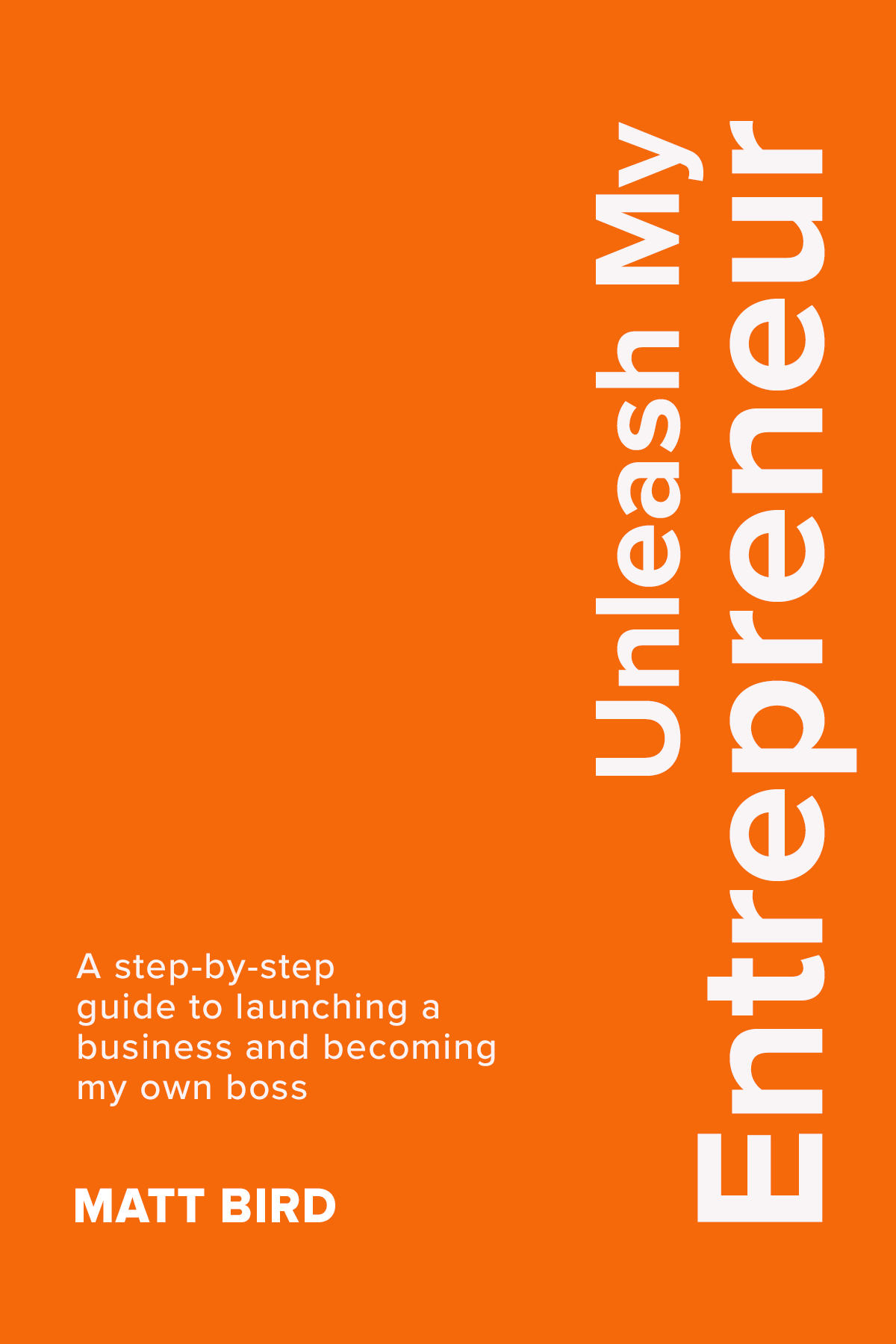
Buy your copy...

Buy your copy...
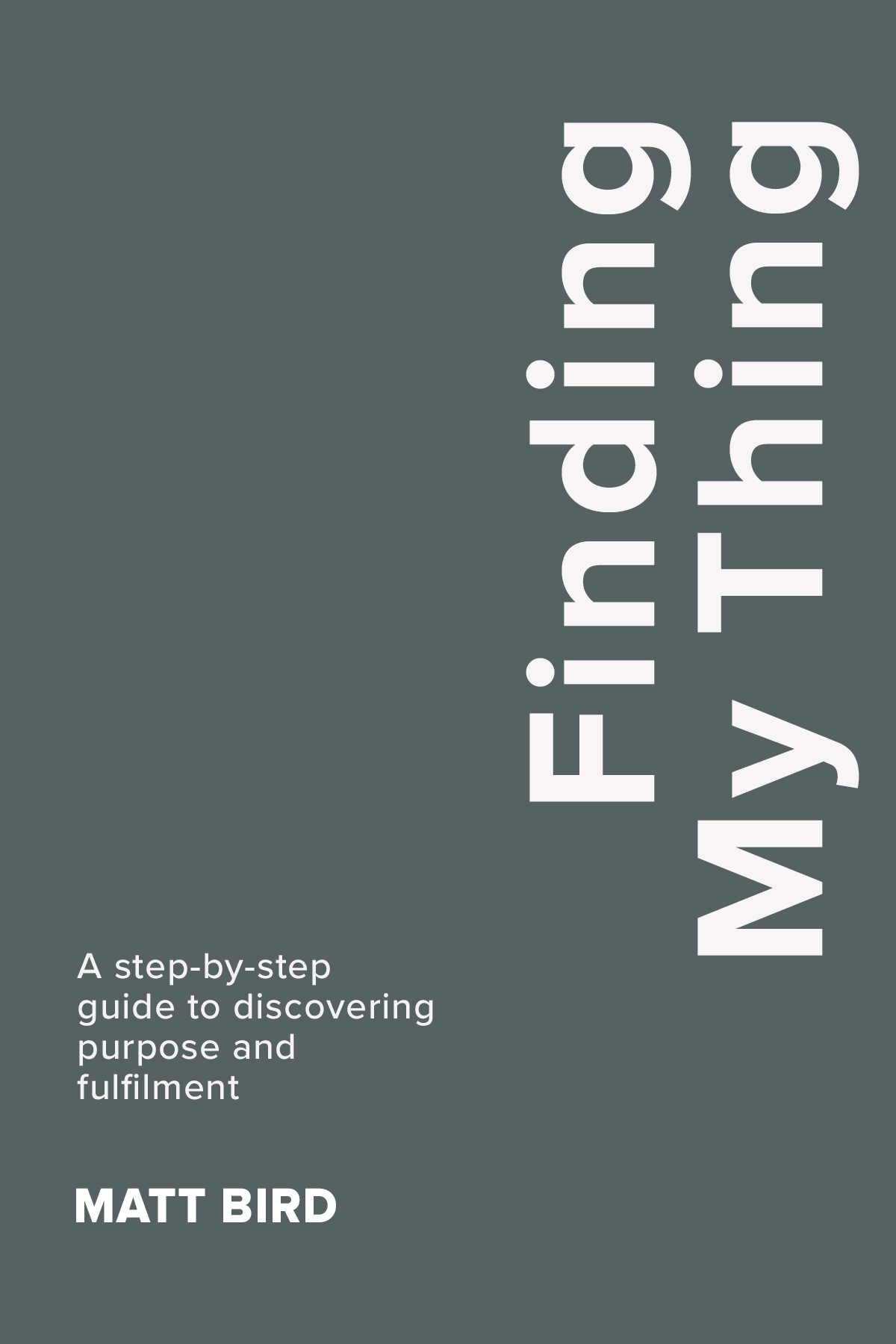
Buy your copy...
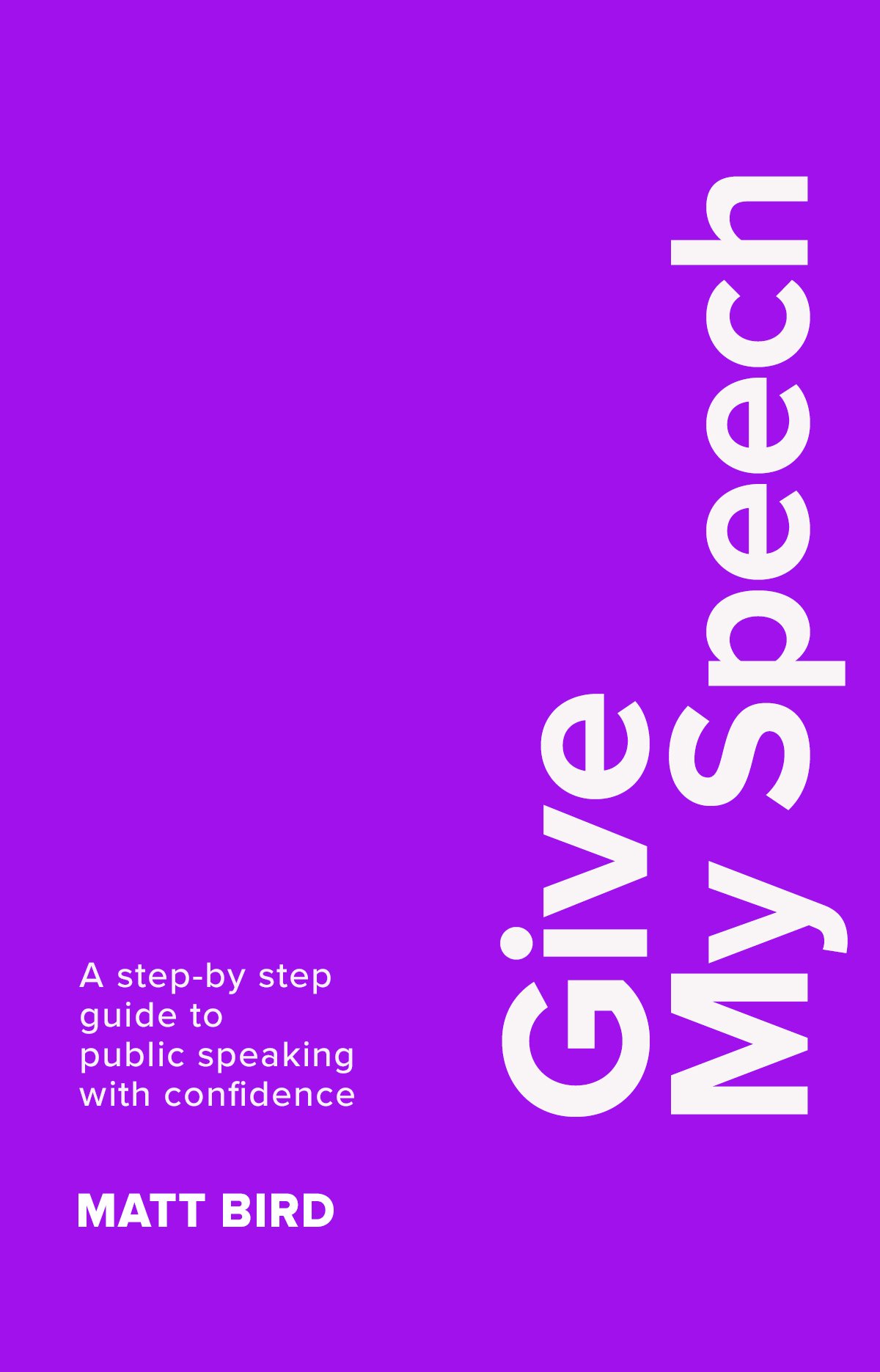
Buy your copy...

Buy your copy...
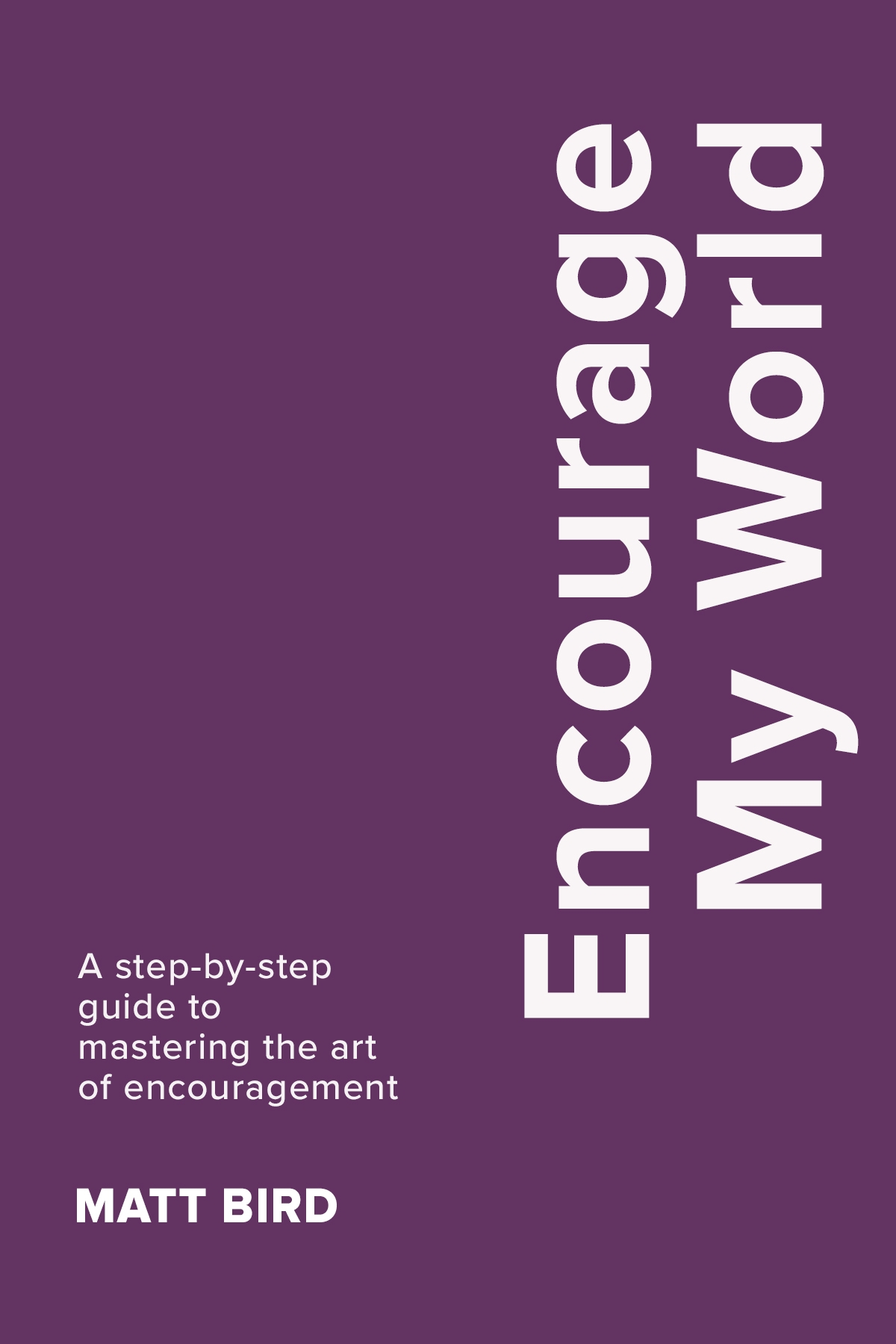
Buy your copy...

Buy your copy...
Buy your copy...

Buy your copy...