
Joan Veronica Bailey
Words are something we use every day without always stopping to think about them. A simple phrase can encourage someone, change the way we see a situation or even influence the direction of our lives. Yet many of us use negative expressions so routinely that we hardly notice them.
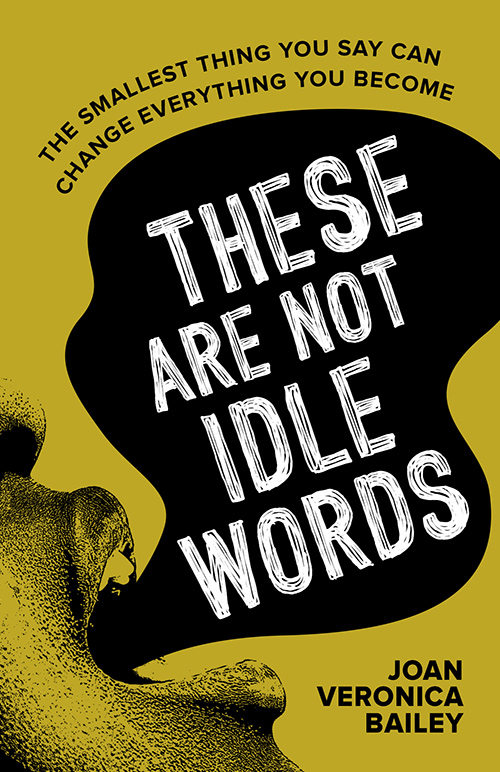
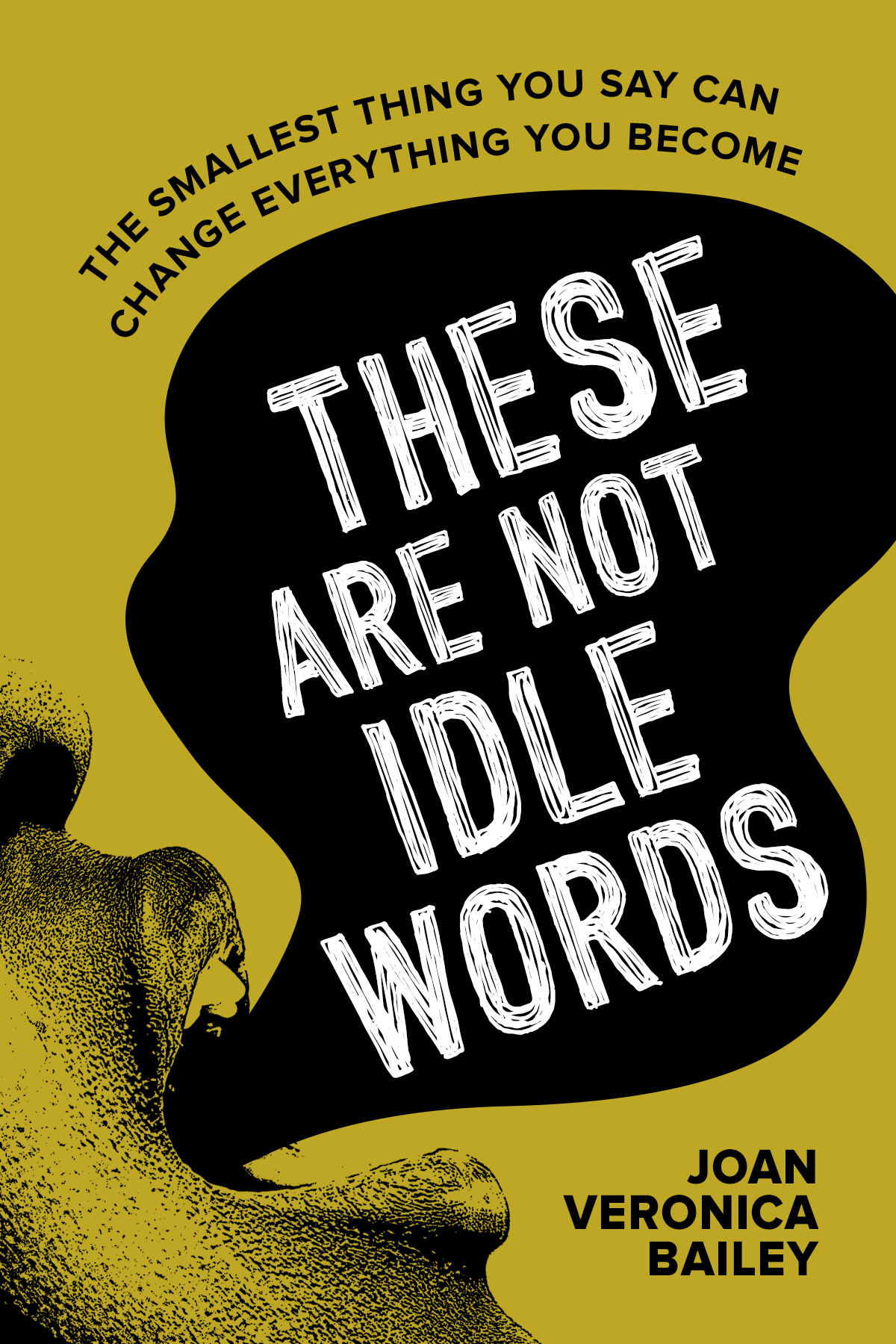
For Joan Bailey, this realisation became the starting point for her book, These Are Not Idle Words.
In a recent PublishU podcast conversation with Matt Bird, Joan shared how years of observing everyday conversations led her to explore the power of words and the impact they can have on our thoughts, choices and future.
Joan originally began writing notes simply as a form of observation. She noticed common phrases people used in everyday conversation and gradually began to see a pattern.
Many of these expressions were negative or focused on limitation.
Phrases such as “I can’t”, “I’ll never” or “This is killing me” can seem harmless because they are so familiar. We may use them casually without considering what they communicate or how they influence the way we think.
But Joan began asking an important question: How are the words we use directing our lives?
That question eventually inspired her to turn years of notes and observations into a book.
Joan never initially intended to write a full-length book. She first imagined putting her observations together into a small booklet. However, as she began writing, more ideas developed and the project grew.
One of the biggest challenges was bringing together years of scattered notes and creating a coherent structure.
She described the process of organising her ideas into chapters and making sense of all the different threads she had collected over time.
What began as simple observations eventually became These Are Not Idle Words, a book encouraging readers to become more aware of the language they use.
One of the most memorable moments in the podcast was a story Matt shared from his childhood.
As a young boy, Matt once told a youth leader that he could not do something. Her response stayed with him for years: “There’s no such thing as can’t.”
That simple statement became a lasting reminder of how easily language can create mental boundaries.
Saying “I can’t” may feel like a description of our current circumstances, but it can also become a belief about what is possible. Repeated often enough, negative language can reinforce the idea that we are incapable of changing, trying or moving forward.
Joan encourages readers to become more conscious of these patterns and consider whether there is a more constructive way to express what they are thinking.
Another phrase Joan discussed was “I’ll never”.
After experiencing something painful or disappointing, it can feel natural to say, “I’ll never trust someone again” or “I’ll never do that again.”
While these statements can come from genuine hurt, they can also create permanent conclusions from temporary experiences.
Joan explained that she has become more careful about using this kind of language in her own life. Experiences can teach us valuable lessons, but they do not necessarily have to determine every future decision.
The same principle can apply to relationships.
Words such as “you always” and “you never” can make it sound as though another person is incapable of changing. This can be particularly damaging in relationships, where language can either create space for growth or reinforce negativity.
Being mindful of our words does not mean pretending that difficult situations do not exist. Instead, it means becoming more intentional about how we describe them.
There is a difference between acknowledging a challenge and deciding that the challenge defines our future.
Replacing “I can’t” with “I’ll try” creates a different starting point. Replacing “I’ll never” with more open-ended language leaves room for learning, healing and change.
This is at the heart of Joan’s message: words matter because they can influence the way we think, the way we relate to others and the way we approach the future.
Joan hopes readers will not simply read These Are Not Idle Words but begin noticing their own everyday language.
What phrases do you repeat without thinking?
Do you often say “I can’t”, “I’ll never”, “you always” or “you never”?
Are there negative expressions that have become automatic?
Becoming aware of these words is the first step. From there, we can begin choosing language that is more positive, constructive and life-giving.
For Joan, years of simple observations became a book. Her hope is that those observations will encourage others to make changes in their own lives too.
Because sometimes, changing a few words can be the beginning of changing the way we see what is possible.
Discover more from Joan Bailey in These Are Not Idle Words.
This article is based on an interview with Matt Bird, founder of PublishU, helping first-time and serial non-fiction authors to write, publish and market books worldwide.
Connect with Matt on Instagram 👉🏼 CLICK HERE or LinkedIn 👉🏼 CLICK HERE
Buy your copy...