
Addy O
Life has a way of presenting multiple challenges at once. A relationship breaks down, finances become uncertain, emotions run high, and suddenly every decision feels urgent. In these moments, many people find themselves reacting rather than responding, often making choices that have long-term consequences.
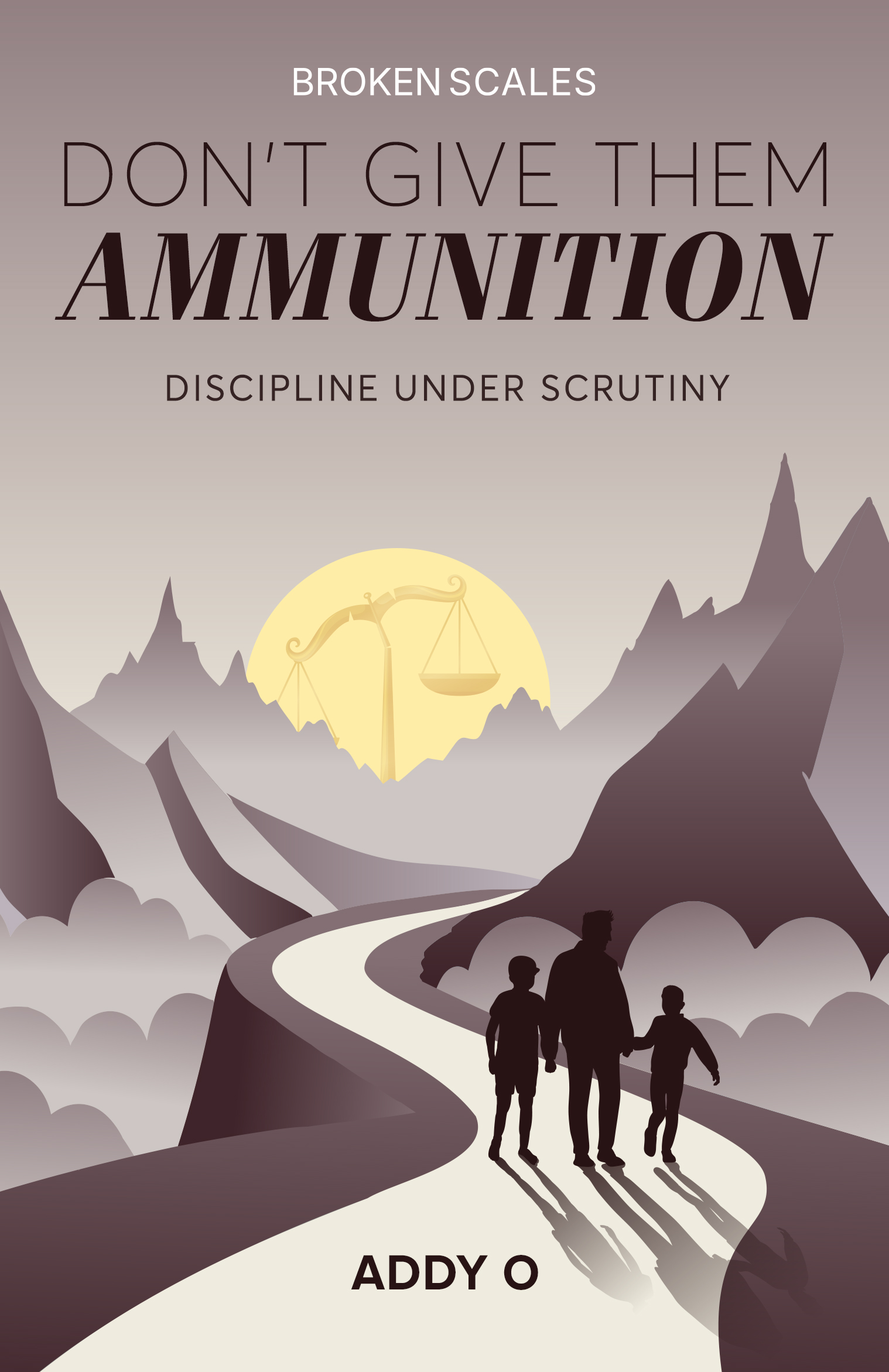
This is the central message behind Under Pressure: From Emotional Reaction to Strategic Response by Addy O, the first book in the Broken Scales series. Drawing from personal experience and years of reflection, Addy explores how pressure affects decision-making and offers practical strategies for maintaining clarity when life feels overwhelming.
Pressure is not just an emotional experience. It affects how we process information, assess risk, and make decisions. When emotions are heightened, our thinking becomes compressed. We focus on immediate problems and often lose sight of the bigger picture.
According to Addy, one of the most dangerous effects of pressure is the illusion of urgency. During his own difficult divorce, he repeatedly encountered situations where immediate action was demanded despite there being no genuine deadline. Looking back, he recognised that many of these situations were examples of what he calls "manufactured urgency"—pressure designed to provoke a reaction rather than encourage thoughtful decision-making.
This concept extends far beyond divorce. It can occur in business negotiations, workplace disputes, family conflicts, and even everyday relationships.
One of the key lessons from Under Pressure is the distinction between reacting and responding.
A reaction is driven by emotion. It happens quickly and often without careful consideration. A response, on the other hand, is deliberate. It creates space between the event and the decision.
When faced with conflict, many people feel compelled to answer immediately, defend themselves, or solve the issue on the spot. However, strategic responses often require slowing down and creating distance from the emotional intensity of the moment.
As Addy explains, preserving your ability to choose is one of the most important skills you can develop. When pressure is reduced, options become clearer and better decisions follow.
One of the strongest themes throughout the book is the importance of boundaries.
Boundaries are often misunderstood as barriers or punishments. In reality, healthy boundaries are protective structures that create stability during uncertain times.
For example, Addy describes advising someone going through a separation to stop taking emotionally charged phone calls late at night. Instead, communication would take place during agreed-upon hours when both parties were in a better state of mind. This simple boundary reduced conflict and improved decision-making.
The same principle applies in many areas of life:
Boundaries do not eliminate challenges, but they often reduce unnecessary pressure and create space for better outcomes.
Another valuable insight from Under Pressure is the importance of recognising patterns early.
Many people assume stressful situations will naturally improve over time. Unfortunately, unresolved conflict often escalates. Small misunderstandings become larger disputes. Minor frustrations become entrenched problems.
The ability to identify unhealthy patterns early allows individuals to intervene before situations spiral out of control.
This is particularly relevant in high-conflict relationships, workplace disputes, and business partnerships. By stepping back and observing recurring behaviours, individuals can often spot warning signs before significant damage occurs.
A common misconception is that resilience is something people either possess or do not possess. In reality, resilience can be developed.
Throughout his journey, Addy discovered that resilience comes from structure, awareness, and preparation rather than simply enduring hardship. By understanding how pressure operates, individuals can learn to manage it more effectively.
This includes:
Resilience is not about suppressing emotions. It is about ensuring that emotions do not take control of important decisions.
Although Under Pressure was inspired by Addy's experience navigating a difficult divorce, the lessons are relevant to anyone facing significant life challenges.
Business owners dealing with uncertainty, professionals managing workplace conflict, parents navigating family challenges, and individuals experiencing major life transitions can all benefit from the principles explored in the book.
At its core, the book is not simply about divorce. It is about understanding how pressure influences behaviour and learning how to maintain clarity when circumstances become difficult.
Perhaps the most powerful message from Under Pressure is that calm is not the absence of problems. Calm is the ability to remain thoughtful and intentional despite those problems.
When life becomes chaotic, many people search for immediate solutions. Yet lasting stability often begins with something much simpler: slowing down, creating boundaries, and refusing to allow pressure to dictate decisions.
By recognising manufactured urgency, protecting mental space, and responding strategically rather than emotionally, it becomes possible to navigate even the most challenging situations with greater confidence.
Under Pressure: From Emotional Reaction to Strategic Response offers a practical roadmap for anyone seeking to regain control when life feels overwhelming. It reminds readers that while pressure may be unavoidable, poor decisions do not have to be.
This article is based on an interview with Matt Bird, founder of PublishU, helping first-time and serial non-fiction authors to write, publish and market books worldwide.
Connect with Matt on Instagram 👉🏼 CLICK HERE or LinkedIn 👉🏼 CLICK HERE
Buy your copy...

Buy your copy...