
Angela Yorke
Wearing colour with confidence starts with understanding yourself. Which shades help you feel comfortable, express your personality and suit the life you lead? For stylist and author Angela Yorke, these questions sit at the heart of building a wardrobe that works.
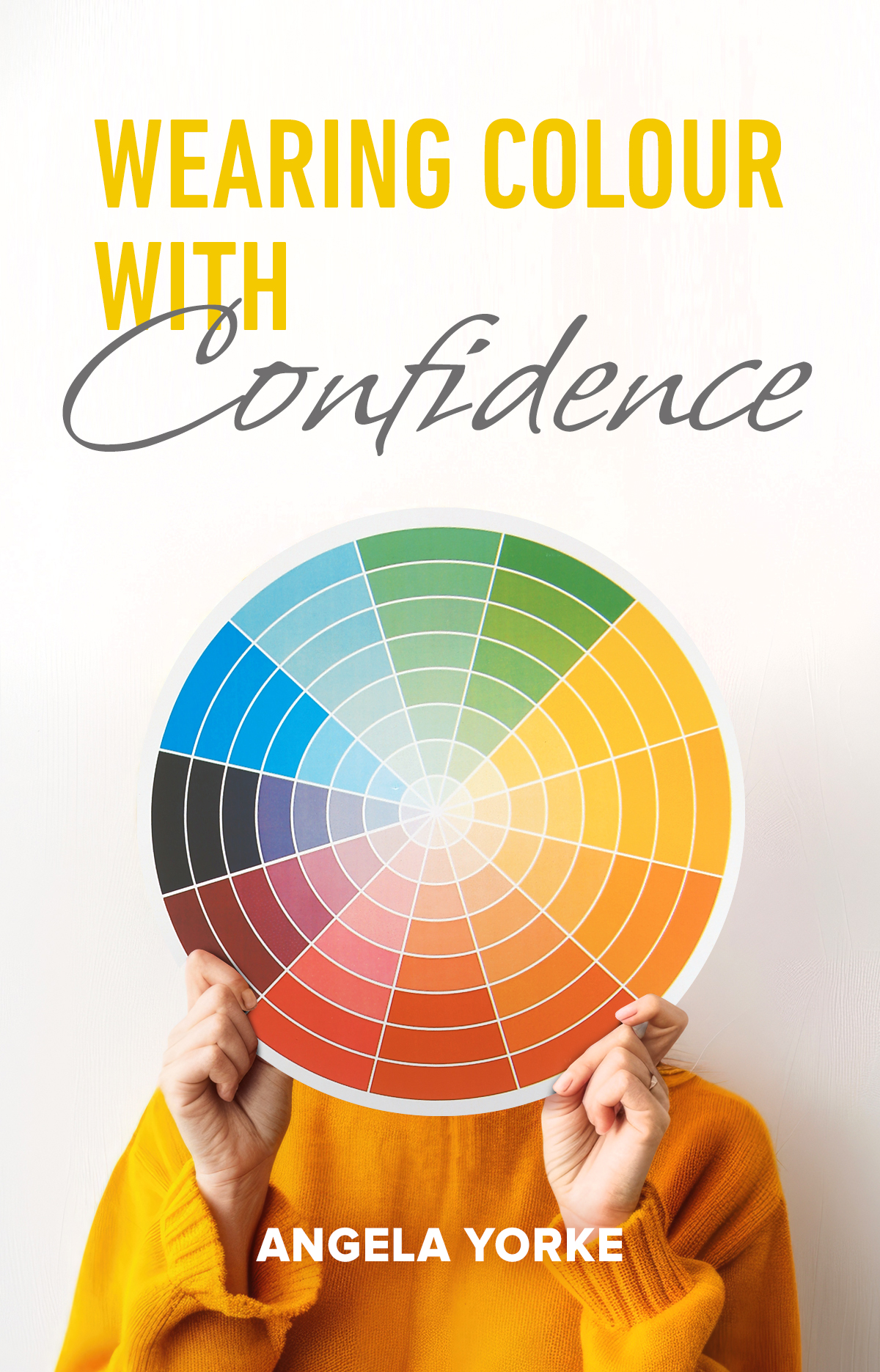
Speaking with Matt Bird on the PublishU podcast, Angela discusses her second book, Wearing Colour with Confidence. Following her first book, Look Good and Feel Fantastic, this practical pocketbook helps readers turn their colour knowledge into everyday outfit choices.
Her message is encouraging: discovering colours that suit you is valuable, but learning how to wear them is where the possibilities really begin.
Why personal styling starts with you
A styling journey should begin with the individual. As Angela explains, people seek help with their wardrobes for many reasons, often during periods of change.
Having children, approaching menopause or experiencing changes in body shape can affect how clothing fits and feels. A move from a corporate workplace to working from home may also leave familiar outfits feeling less appropriate.
Rather than assuming the answer is simply buying more clothes, Angela starts by exploring how someone feels now and how they want to feel. This makes personal styling relevant to everyday life, with choices shaped by comfort, identity and practical needs.
Understanding seasonal colour analysis
Seasonal colour analysis is one of the tools Angela uses to help clients discover flattering shades. Her approach considers features such as skin tone, hair and eye colour, alongside the individual’s personality.
The seasonal labels describe colour palettes, rather than instructions to change your wardrobe whenever the weather changes. Someone whose colouring suits an autumn palette, for example, might find warmth in oranges, browns and golden tones.
In the conversation, Angela explains that colours which flatter one person can leave another looking washed out. The aim is to recognise the shades that bring out your features and help you feel good.
She also describes a seasonal palette as something that remains consistent as you age, although your favourite or most flattering shades within it may shift as your hair changes.
Turning your colour palette into outfits
Knowing your best colours can simplify shopping. Instead of considering every garment in every shade, you can focus on options that fit your palette and personal style.
However, Angela noticed that clients often left their colour analysis sessions with another question: what happens next? Knowing that bright blue suits you does not automatically explain what to wear alongside it.
Wearing Colour with Confidence grew from those conversations. The book offers guidance on combining colours, understanding their relationships and using them within outfits. It bridges the gap between receiving a palette and feeling comfortable putting that knowledge into practice.
For readers unsure where to begin, this means taking the next outfit as a starting point. Think about the colours you already reach for, the combinations you find difficult and the occasions when you would welcome more confidence.
The role of colour psychology
Angela also explores how colour can influence the impression an outfit creates. Getting dressed involves thinking about how you want to feel and how you hope to be perceived.
For an event where you want to stand out, she suggests considering brighter colours. When you would prefer to blend into the gathering, softer shades may feel more comfortable.
She discusses green as a colour associated with nature and approachability, while red can suggest boldness or feel more confrontational to some viewers. These associations are subjective, so context and personal responses matter.
The useful starting point is intention: choose colours with the occasion and your own comfort in mind.
How to mix patterns with confidence
Patterns can make colour choices feel more complicated, particularly when combining different prints. Angela suggests looking for connections between them, such as similar colours or a comparable scale of print.
Colour intensity matters too. Understanding how shades relate on a colour wheel can help explain why some combinations feel balanced and others seem to compete.
Personal style also plays a part. Someone drawn to dramatic, artistic clothing may enjoy bold clashes that would feel uncomfortable on another person. Angela mentions designer Zandra Rhodes as an example of someone whose striking choices reflect a distinctive personality.
The goal is to find combinations that feel natural to you.
A practical guide to everyday confidence
Designed as a portable pocketbook, Wearing Colour with Confidence is intended to be used, whether you are shopping or choosing clothes at home. Angela wants readers to understand how their palettes can support real outfits for real occasions.
Her conversation with Matt returns to a simple idea: clothing should help you express who you are and feel comfortable doing it. With a clearer understanding of colour, getting dressed can become an opportunity to enjoy your wardrobe and approach the day with greater confidence.
Buy your copy...

Buy your copy...