
Chris Jones
Education systems around the world are constantly evolving, yet many schools still operate using structures designed decades ago. In a recent conversation on the PublishU Podcast, education consultant and author Chris Jones shared insights from his book The Perfect Timetable, explaining how schools can transform learning by rethinking one of the most overlooked elements of education: the timetable.
Chris Jones has spent more than four decades working in education. Beginning his teaching journey as a teenager, he went on to spend 25 years in the classroom before transitioning into leadership and consultancy. Today, he works with school leaders across the world, mentoring and coaching them to improve outcomes for both students and staff. Over the past 16 years, he and his team have supported hundreds of schools in redesigning their curriculum, improving leadership structures, and finding more efficient ways to deliver high-quality education.
At first glance, the title The Perfect Timetable might suggest a technical guide to scheduling classes. However, Jones explains that the book goes far beyond logistics. Rather than focusing on software systems or scheduling formulas, the book explores how a school’s timetable reflects its educational values, priorities, and ambitions.
Many schools treat timetabling as a purely administrative task. It is often delegated to a single staff member responsible for fitting subjects, teachers, and classrooms into a weekly schedule. Jones believes this approach misses a much bigger opportunity.
According to him, the timetable is one of the most powerful tools school leaders have to shape the educational experience of students. The way time is allocated during the school day influences everything from curriculum delivery and teacher workload to student wellbeing and engagement.
When timetables are designed strategically, they can support a school’s vision for learning and ensure that every student benefits from a balanced, meaningful educational experience. When designed poorly, however, they can create unnecessary pressure on teachers, limit curriculum flexibility, and reduce opportunities for creativity and personal development.
Jones argues that school leaders should not fear timetabling or treat it as a technical puzzle reserved for specialists. Instead, they should view it as a leadership responsibility that directly impacts the quality of education delivered to students.
One of the central themes of The Perfect Timetable is adaptability. Jones believes that traditional education systems often assume that all students learn in the same way, following identical schedules and structures.
In reality, every child is different. Students have unique strengths, challenges, learning styles, and interests. A rigid curriculum structure can therefore leave many students feeling disengaged or unsupported.
Jones challenges schools to rethink how they design their curriculum and learning schedules. Rather than expecting students to adapt to the system, he encourages educators to design systems that adapt to students.
This approach acknowledges the growing awareness of neurodiversity in education. Conditions such as dyslexia, ADHD, and other learning differences are increasingly recognised as part of the natural variation in how people think and learn. A more flexible and responsive curriculum structure can help schools better support these diverse needs.
Instead of focusing solely on “adaptive teaching” within the classroom, Jones advocates for what he calls an adaptive curriculum. This means designing school systems, schedules, and programmes that provide multiple pathways for students to succeed.
Jones shared a powerful example of how this approach can transform struggling schools. In one case, he worked with a school that ranked among the lowest performing in its region. Attendance was extremely poor, behaviour problems were common, and the local community had lost confidence in the school.
After analysing the school’s structure, leadership team, and curriculum, Jones helped them redesign their timetable and educational framework. This included identifying unnecessary spending and redirecting resources toward programmes that better engaged students.
For example, funds were invested into vocational learning opportunities such as beauty therapy and business training facilities. These programmes provided students with practical skills and new motivation to attend school.
The transformation was dramatic. Attendance rose to national averages, academic results improved significantly, and the school rebuilt its reputation within the community. Parents who once distrusted the school began actively supporting its leadership and vision.
This example highlights Jones’s belief that meaningful change in education requires more than minor adjustments. It requires rethinking how schools operate at a structural level.
The Perfect Timetable is only the beginning of a broader series of books exploring how schools can deliver better education for every student. Jones plans to address topics such as financial efficiency, curriculum design, and leadership development.
The series aims to guide school leaders through three key stages of transformation.
First, understanding the core principles of an effective education system. Second, adapting those principles to the unique context of each school community. And finally, learning how to lead sustainable change over time.
Jones believes there is no universal solution that works for every school. Instead, leaders must develop systems that reflect their specific environment, resources, and student needs.
Ultimately, The Perfect Timetable is not simply about improving school schedules. It is about encouraging leaders to take ownership of the systems that shape the learning experience of young people.
Education is facing unprecedented challenges, from financial pressures to the rapid development of artificial intelligence and technology. These changes make it even more important for schools to design systems that prepare students for an uncertain future.
Jones hopes that his book will empower school leaders to engage with these challenges proactively. By rethinking the structure of the school day and aligning it with a clear educational vision, schools can create environments where every child has the opportunity to thrive.
In a world where education plays a critical role in shaping society’s future, the message of The Perfect Timetable is clear: when schools design systems around the needs of students, extraordinary outcomes become possible.
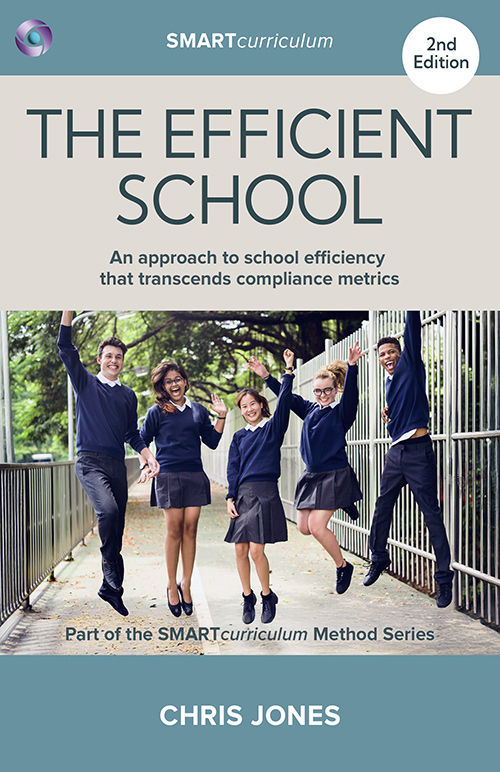
Buy your copy...

Buy your copy...